Quartz vs Laminate Countertops: Which One to Choose
Selecting a countertop is one of the more visible decisions in a kitchen or bathroom renovation. For many homeowners in the United States, the comparison between quartz and laminate often comes up during the planning phase. Both materials are widely available and offer different approaches to function and style. Quartz is an engineered stone surface, while laminate is a manufactured layered product. This article provides a neutral comparison based on scratch resistance, ease of cleaning, price range, and visual appearance.
An important part of the comparison is recognizing that countertop performance is not fixed. The way a surface is installed, maintained, and used has a significant role in how it behaves over time. There is no single answer that fits every household. The sections below present the key dimensions of the comparison and describe the considerations that may influence material selection.
Material Composition and Basic Characteristics
Quartz countertops are fabricated from a mixture of natural quartz crystals, resins, and pigments. The mixture is compacted under pressure and heat to create a dense, nonporous slab. Laminate countertops are made from layers of kraft paper and decorative paper bonded with resin and pressed onto a particleboard or MDF core. These differences in construction influence weight, moisture tolerance, and the way each surface responds to impacts. A quartz slab is generally heavier and more rigid, while a laminate countertop is lighter and can be easier to handle during installation.
The structure of each material also affects the installation process. Quartz is typically measured, cut, and finished in a fabrication facility before being transported to the project site. Laminate can be cut with standard woodworking tools and custom-fitted to many cabinet shapes. In both cases, the quality of the installation contributes to the long-term appearance. Seams, edges, and corners are the points where problems may appear if the countertop is not properly supported.
Scratch Resistance and Surface Durability
Scratch resistance is often the first concern in kitchens, where countertops come into contact with utensils, plates, and small appliances. Quartz surfaces are hard and can generally handle ordinary daily activities without visible marks. Laminate surfaces are also durable, but they tend to be more susceptible to scratches from abrasive materials. The degree of resistance depends on the finish, the pressure applied, and the type of object involved. A rough stone bottom or a metal tool can leave marks on almost any surface under certain conditions.
In bathrooms, the risk of scratching is often lower because the types of contact are different. Cosmetic containers, jars, and cleaning tools are the main items that touch the surface. Environmental factors, such as sand brought in from outdoors, may also play a part. When thinking about durability, the types of activities in the room and the amount of traffic the countertop receives are useful points of reference. Surrounding humidity and exposure to water can also affect the material’s long-term appearance.
Ease of Cleaning and Maintenance
Daily cleaning routines for quartz and laminate are similar in many respects. Both surfaces can be wiped with mild soap and water without the need for specialized products. Quartz has a nonporous structure that may simplify the removal of spills, as liquids have fewer places to settle. Laminate has a sealed surface as well, but its seams and edges require attention to avoid moisture accumulation. Many households find that regular wiping is sufficient to maintain a clean appearance.
The location of the countertop can influence the cleaning routine. In kitchens, food residue, cooking oils, and acidic liquids create more frequent needs for surface care. In bathrooms, toothpaste, cosmetics, and standing water are the primary concerns. The way a product is designed, including edge profiles and seam placement, affects how easy it is to clean a specific installation. Maintenance expectations can vary based on the household’s habits and the level of care each material is likely to receive.
Price Range and Installation Considerations
Price range is a major part of the decision-making process, but a countertop estimate includes more than the cost of the material. Quartz is generally positioned in a higher price range, with raw material costs, fabrication complexity, and handling requirements contributing to the overall estimate. Laminate is typically less expensive and offers a wider range of entry-level design options. The difference in upfront cost can be substantial, though it may become smaller once items like edge treatments, sink cutouts, and backsplashes are included.
Regional conditions in the United States can also affect pricing. Quartz is produced by several manufacturers whose products are distributed across the country, and shipping distances may influence local quotes. Laminate is widely available through multiple supply channels, which can make pricing more competitive. Gathering estimates from different suppliers and comparing the scope of each proposal is a common way to understand local market conditions. The price of the countertop is part of the broader renovation budget rather than a single standalone number.
Visual Appearance and Design Flexibility
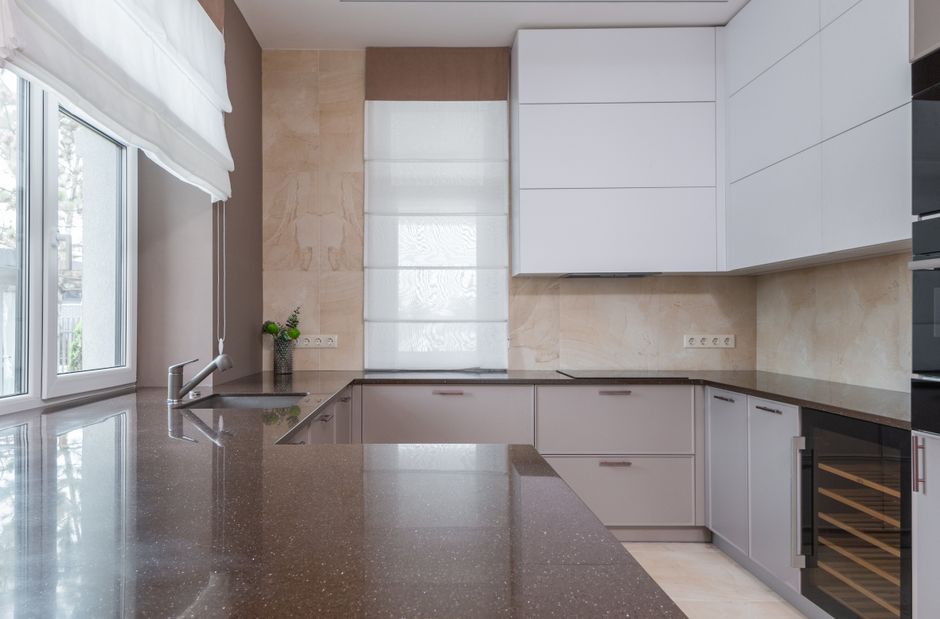
Visual appearance often plays a central role in the choice between quartz and laminate. Quartz can mimic the look of natural stone with subtle veining, speckles, and tonal variation. Manufacturing processes allow for consistent product lines, which can be helpful when matching a countertop to a specific color palette. Laminate provides a different kind of flexibility, with printed designs that can resemble wood, concrete, stone, or solid colors. Design preferences, cabinetry colors, and lighting conditions in the room all help determine which surface appears more cohesive.
The tactile experience of the two materials also differs. Quartz tends to feel cool to the touch and has a dense, solid presence. Laminate tends to feel warmer and slightly lighter, which may be preferable in certain design contexts. Edge profiles and finish options add another layer of variation. Both materials can be paired with different backsplash materials and cabinet finishes, so the visual comparison can include the full space rather than the countertop alone.
Selecting a Material for a Specific Project
Choosing between quartz and laminate involves a view of the whole project. Kitchens and bathrooms place different demands on countertop surfaces, from food preparation and heat exposure to moisture and daily hygiene. A material that works well in one room may not match the needs of another. Many renovation projects use a mix of materials, with quartz in a primary kitchen area and laminate in a less frequently used bathroom or laundry space.
The decision also involves the style of the home, the amount of natural light, and the intended duration of the renovation. Some homeowners place a high priority on particular colors or patterns, while others focus on budget constraints and installation timelines. Renovation professionals, such as those working with Ironwood Renovations, can provide observations that help clarify the trade-offs in a specific layout. The final selection is a personal one, informed by practical details and individual priorities.