Initial Measurement and Assessment
Visiting the space, taking measurements, and documenting existing conditions before planning begins.
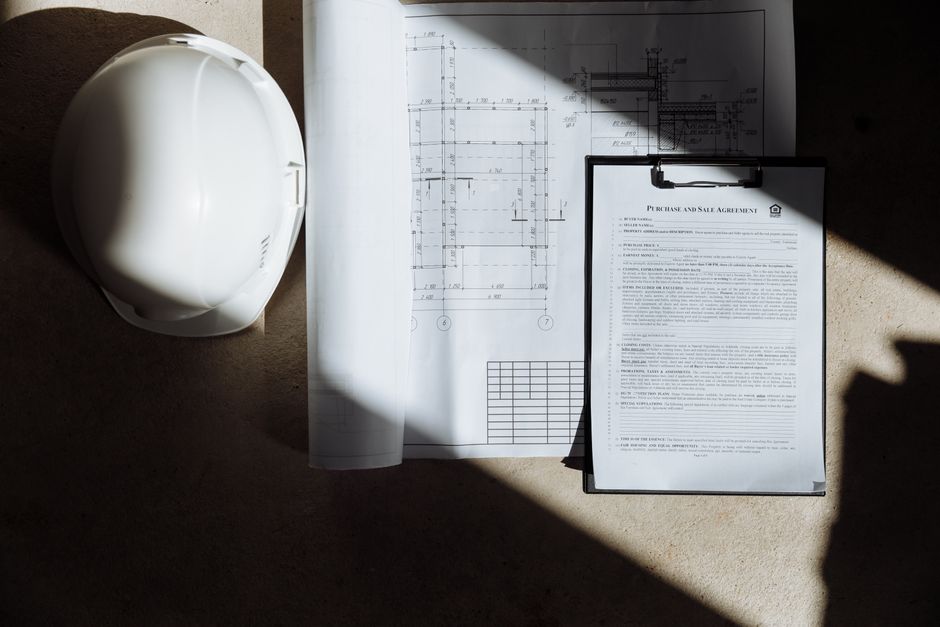
Every renovation project follows a sequence of stages, and understanding that sequence allows everyone involved to remain aligned. At Ironwood Renovations, the workflow begins with initial measurement and continues through planning, implementation, and final inspection. Each stage carries specific responsibilities for the team and for the client. This page presents the typical structure used to organize work, define expectations, and maintain coordination. The intent is to provide a clear framework that can be adapted to individual project circumstances.
Visiting the space, taking measurements, and documenting existing conditions before planning begins.
Translating measurements into a clear scope, identifying responsibilities, and establishing the project schedule.
Implementing the planned work while coordinating with client decisions and updating all parties on progress.
Reviewing completed work alongside the client and addressing open items before the project is closed.
Ironwood Renovations organizes renovation projects around a documented workflow that starts with the first site measurement and ends with the final inspection. The process is designed to clarify roles and establish a shared understanding between the team and the client. Each stage includes defined tasks, communication points, and decision milestones. The team prepares the scope, coordinates scheduling, and reviews completed work with the client before closing out the project. This approach is not a guarantee of an outcome; it is a framework for managing complexity. Actual results depend on site conditions, material choices, and the decisions made during the project.

Clear communication is an integral part of the renovation workflow. Ironwood Renovations identifies specific points where client input is needed, including material selection, design adjustments, and approvals. Responsibilities are shared: the team manages implementation, while the client provides decisions within the agreed schedule. A structured coordination process gives all parties a common reference. Each project remains unique, and adjustments may be required as work proceeds. The workflow supports transparency and informed decision-making rather than predicting project outcomes.